The Complete Japan Travel Guide
- The Anonymous Hungry Hippopotamus
- Jun 24
- 5 min read

I have visited many extraordinary places in my life. Japan is different. It is not simply a destination — it is an education in how a society can be simultaneously ancient and modern, disciplined and playful, minimalist and extravagant. I spent close to six weeks traveling through Japan, from the electric energy of Tokyo to the meditative stillness of Kyoto, the exhilarating food culture of Osaka, and the quiet beauty of the Izu Peninsula. I have been writing about it ever since.
This page is your starting point — a complete guide to everything I have covered, organized so you can follow the journey from the beginning or jump directly to what interests you most.
Japan rewards the curious traveler more than almost any place I have ever been. I hope these posts make you curious enough to visit.
Tokyo
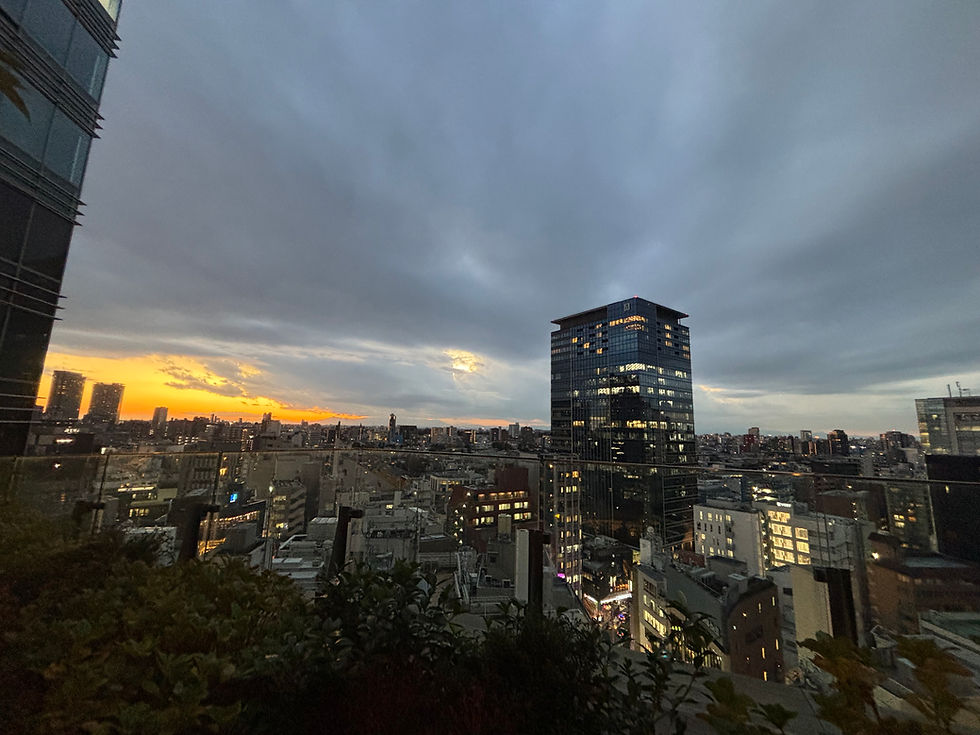
The best place to begin. An overview of Tokyo — its scale, its culture, its trains, its extraordinary cleanliness, and the particular energy of a city of 14 million people that somehow feels peaceful. I also explain the difference between Japan's 47 prefectures and why Tokyo is in a category of its own.
If Tokyo has a beating heart, it is Toyosu. I arrived before dawn to watch the legendary fish auctions and came away understanding why Anthony Bourdain once said Tokyo was the only city he could eat in for the rest of his life.
Tokyo has more Michelin stars than any city on earth, and its embrace of international cuisine is extraordinary. This post covers some of the finest non-Japanese restaurants I found in the city.
From a seasonal omakase in Meguro to yakiniku done the way it is meant to be done, this post is dedicated entirely to Tokyo's local culinary traditions — the dishes that exist here and almost nowhere else.
Beyond the restaurants and the markets: a visit to a micro pig café in Harajuku, a kintsugi pottery class, and the philosophy of wabi-sabi — finding beauty in imperfection — which turns out to be the most useful souvenir I brought home from Japan.
I spent much of my time in Tokyo searching the skyline for Mount Fuji — that elusive, snow-capped silhouette that appears only to those willing to slow down and wait. This post follows that search, including a detour to Tachikawa to visit friends and the moment Fuji finally revealed herself on a Shinkansen window at 200 miles per hour.
Kyoto
Kyoto was Japan's imperial capital for over 1,000 years, and it shows. This introduction covers the city's history, its autumn foliage, the Arashiyama Bamboo Grove, the Kimono Forest, and why Kyoto feels like time moves differently here.
The journey from Tokyo by Shinkansen — including a 7-Eleven bento and an unexpected full view of Mount Fuji — then the futuristic surprise of Kyoto Station, the birthday-candle silhouette of Kyoto Tower, the engineering marvel of Kiyomizu-dera's nail-free wooden stage, the 1,001 statues of Sanjūsangen-dō, and the vermilion tunnel of Fushimi Inari's torii gates.
The places that lingered with me longest. Kinkaku-ji, the Golden Temple, shimmering at the edge of its reflection pond. The Sagano Bamboo Forest at sunrise — my favorite place in all of Kyoto. The Kimono Forest. A tea ceremony guided by a maiko that turned out to be about far more than tea. And Kameyama Park, the quiet reward for those who walk past the crowds.
Kyoto approaches food with the same philosophy it applies to everything else — nothing rushed, nothing excessive, every detail considered. This post covers Nishiki Market (Kyoto's Kitchen, dating to the 14th century), a Michelin-recognized yakitori restaurant using one of Japan's three premium chicken breeds, a teppanyaki dinner with Kobe wagyu that rivaled the kaiseki experience for my best meal in the city, and the Japanese soufflé pancake — which is a dessert, not a breakfast, and anyone who says otherwise is a tourist.
The meal that changed how I think about food. Kaiseki is Japan's highest culinary art form — a tasting menu anchored in the season, the landscape, and centuries of Zen philosophy. Kikunoi Roan delivered one of the most profound dining experiences of my life.
Osaka
If Tokyo is the modern mind of Japan and Kyoto its cultural heart, Osaka is unquestionably its stomach. This post covers the city's most iconic culinary identity — from Hanagatami's extraordinary tempura kaiseki at the Ritz-Carlton to the battera pressed sushi at Sushitsune, made by the fourth-generation chef of a family that invented the dish, to Osaka's legendary black ramen and the city's most famous street food, takoyaki.
Five more essential Osaka food experiences: Matsusaka wagyu yakiniku grilled over pure binchotan heat, salmon and sardine onigiri from Musubiya, Rikuro's famous jiggly cheesecake (still warm from the oven, with a line out the door), Club Harie's legendary baumkuchen, and the dojima roll at Mon Cher — five slices of which I could have eaten. I didn't. But I could have.
Beyond Osaka's identity as Japan's Kitchen, the city offers some of the country's most energetic sightseeing. Osaka Castle and its expansive park, the neon spectacle of Dotonbori at night — including the iconic mechanical crab and the dancing noodles — and Harukas, the city's soaring skyscraper observation deck, where I watched the sun set over a city that never seems to stop moving.
The Izu Peninsula
The adventure to the Izu Peninsula began before I arrived, on board the Saphir Odoriko — one of Japan's premium luxury trains. For between $35-$60 (roughly the cost of a mediocre Uber), you get a plush seat, panoramic windows, and countryside gliding past at high speed. If you are traveling in Japan, a ride on one of these trains is not optional. It is mandatory.
My stay at Furuya Ryokan in Atami was among the most distinctive lodging experiences of my life. A private onsen fed by natural hot springs, traditional rooms, and seasonal kaiseki meals served in complete privacy. This post covers what a ryokan stay looks and feels like, and why it belongs on any Japan itinerary.
From the seaside city of Atami, the journey continues to Hakone — where a ropeway carries you over volcanic terrain, Lake Ashi reflects the mountains in the water below, and Mount Fuji, if the weather cooperates, reveals itself in its most complete and commanding form. A perfect day trip from Tokyo that manages to feel like a world apart.
More Japan Coming Soon
My Japan travels also took me beyond Tokyo, Kyoto and Osaka - Hokkaido, Nara, Nikko, Naoshima and more. Those posts are coming. Subscribe to be notified when they go live, and follow along as this series continues to grow.


Comments